When patients visit a medical office, they expect a safe, clean, and healthy environment. Whether it is a doctor’s office, urgent care center, dental clinic, or specialty practice, cleanliness plays a major role in protecting everyone who walks through the door.
Medical facilities receive a constant flow of patients, visitors, and healthcare professionals every day. This level of activity increases the risk of germs, bacteria, and viruses spreading from one person to another. That is why medical office cleaning is not just about appearance. It is a critical part of patient safety and infection prevention.
In this guide, we will explain why professional cleaning matters, how it protects patients, and what healthcare facilities should expect from a quality cleaning program.
Why Does Cleanliness Matter in a Medical Office?
Medical offices are different from traditional workplaces. Patients often arrive with illnesses, infections, and weakened immune systems. Even a small amount of contamination on frequently touched surfaces can increase health risks.
A clean medical office helps reduce the spread of harmful germs while creating a comfortable environment for patients and staff. According to the Centers for Disease Control and Prevention, proper cleaning and disinfection are important steps in preventing healthcare associated infections.
When a medical office maintains high cleaning standards, patients feel more confident in the quality of care they receive.
How Does Medical Office Cleaning Help Prevent Infections?
One of the biggest reasons medical office cleaning is important is infection control.
Germs can survive on surfaces such as:
- Waiting room chairs
- Reception desks
- Door handles
- Light switches
- Medical equipment
- Examination tables
- Restroom fixtures
Without regular cleaning and disinfection, these surfaces can become sources of cross contamination.
Professional cleaning removes dirt, bacteria, and viruses before they have a chance to spread. This process helps lower the risk of infections among patients, visitors, and healthcare workers.
For healthcare facilities, preventing infections is one of the most effective ways to support patient safety and maintain a healthy environment.
What Areas Require Special Attention in Medical Offices?
Not all areas inside a medical office carry the same level of risk. Some spaces require more frequent cleaning because they experience higher contact throughout the day.
Important areas include:
Waiting Rooms
Patients and visitors spend time here before appointments. Chairs, tables, and shared surfaces need regular disinfection.
Reception Areas
Reception counters, payment terminals, and pens are touched by many people every day.
Examination Rooms
Exam rooms require thorough cleaning between patient visits to reduce contamination risks.
Restrooms
Restrooms can quickly become breeding grounds for bacteria if not cleaned properly.
Staff Areas
Break rooms and employee workstations also need routine cleaning to help protect healthcare workers.
A detailed cleaning plan ensures every area receives the attention it needs.
How Does a Clean Medical Office Improve Patient Confidence?
First impressions matter.
When patients enter a clean and organized facility, they immediately feel more comfortable. Clean floors, sanitized surfaces, and fresh waiting areas send a clear message that patient health is a priority.
On the other hand, dirty surfaces, overflowing trash bins, or unpleasant odors can create concerns about overall healthcare quality.
Patients often associate cleanliness with professionalism and trust. A well maintained medical office helps strengthen patient confidence and encourages repeat visits.
Also Read: What Do Janitorial Services Include?
Can Proper Cleaning Protect Healthcare Staff?
Yes. medical office cleaning protects healthcare employees as much as it protects patients.
Doctors, nurses, receptionists, and support staff spend long hours inside the facility. Daily exposure to contaminated surfaces can increase the risk of illness among employees.
Regular cleaning and disinfection help create a safer workplace by reducing the spread of bacteria and viruses. Healthier employees mean fewer sick days and better continuity of care for patients.
Protecting staff members also supports overall operational efficiency within the medical office.
Why Is Compliance Important for Medical Facilities?
Healthcare facilities must follow strict cleanliness and sanitation standards. Regulatory organizations emphasize the importance of maintaining clean environments to support patient safety.
The Occupational Safety and Health Administration provides guidelines that help employers maintain safe workplaces, including healthcare settings.
Professional cleaning services understand these requirements and follow proper procedures to help facilities maintain compliance.
Keeping a medical office clean is not only good practice. It also supports safety standards that healthcare organizations are expected to meet.
How Does Professional Medical Office Cleaning Differ From Regular Cleaning?
Medical facilities require specialized cleaning methods that go beyond standard office cleaning.
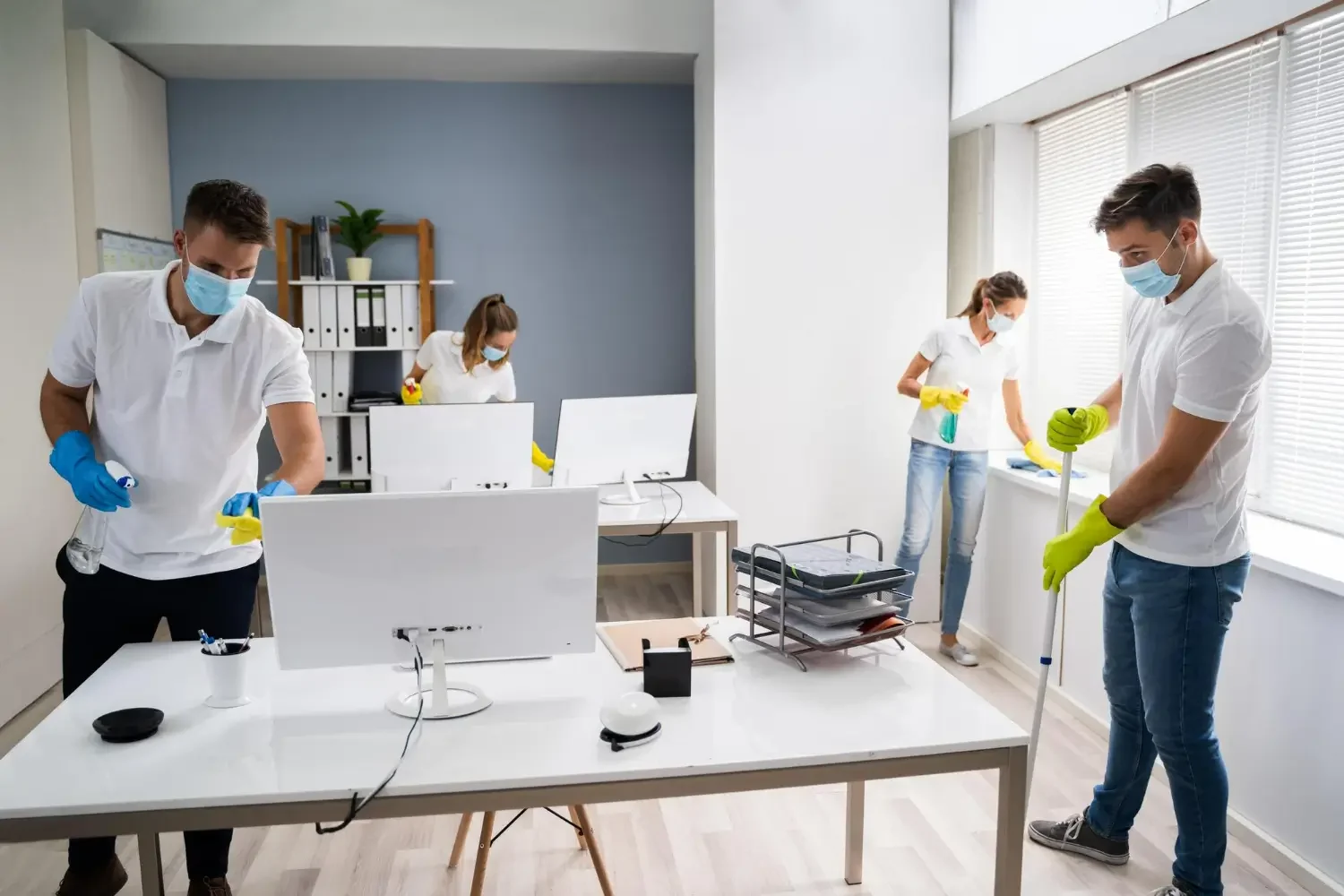
Professional medical cleaning includes:
- Surface disinfection
- High touch point sanitization
- Restroom sanitation
- Waste removal
- Floor care
- Examination room cleaning
- Waiting room disinfection
Trained cleaning professionals understand which products and procedures are appropriate for healthcare environments.
This specialized approach helps ensure consistent cleanliness throughout the facility while supporting infection prevention efforts.
What Role Does Medical Office Cleaning Play During Cold and Flu Season?
During cold and flu season, healthcare facilities often experience an increase in patient visits.
More visitors mean more opportunities for germs to spread throughout the office.
Routine cleaning and disinfection become even more important during these periods. Frequently touched surfaces should receive extra attention to help reduce contamination risks.
A proactive cleaning strategy can help create a safer environment during times when illness levels are higher in the community.
How Often Should a Medical Office Be Cleaned?
The cleaning frequency depends on the size of the facility, patient volume, and type of services provided.
In most cases:
- High touch surfaces should be disinfected regularly throughout the day.
- Examination rooms should be cleaned between patient visits when necessary.
- Restrooms should receive frequent attention.
- Common areas should be cleaned daily.
Consistent cleaning schedules help maintain a safe environment and reduce opportunities for germs to accumulate.
Healthcare facilities that prioritize regular cleaning are better positioned to protect patients and staff.
What Are the Long Term Benefits of Investing in Professional Cleaning?
Investing in professional cleaning offers benefits that go far beyond appearance.
Some of the most important long term advantages include:
- Improved patient safety
- Reduced infection risks
- Better patient satisfaction
- Enhanced professional image
- Healthier employees
- Greater regulatory compliance
- Cleaner and more welcoming facilities
A clean healthcare environment supports both operational success and quality patient care.
Why Should You Choose American Janitorial Services Houston for Medical Office Cleaning?
At American Janitorial Services Houston, our team understands the unique cleaning requirements of healthcare facilities. Our professional medical office cleaning services are designed to help create safer environments for patients, visitors, and staff.
Our cleaning professionals focus on detailed sanitation, high touch surface disinfection, restroom cleaning, waiting room maintenance, and overall facility cleanliness. We work with healthcare providers to maintain clean, professional spaces that support patient safety and confidence.
If your medical office needs reliable and professional cleaning services, contact American Janitorial Services Houston now.